

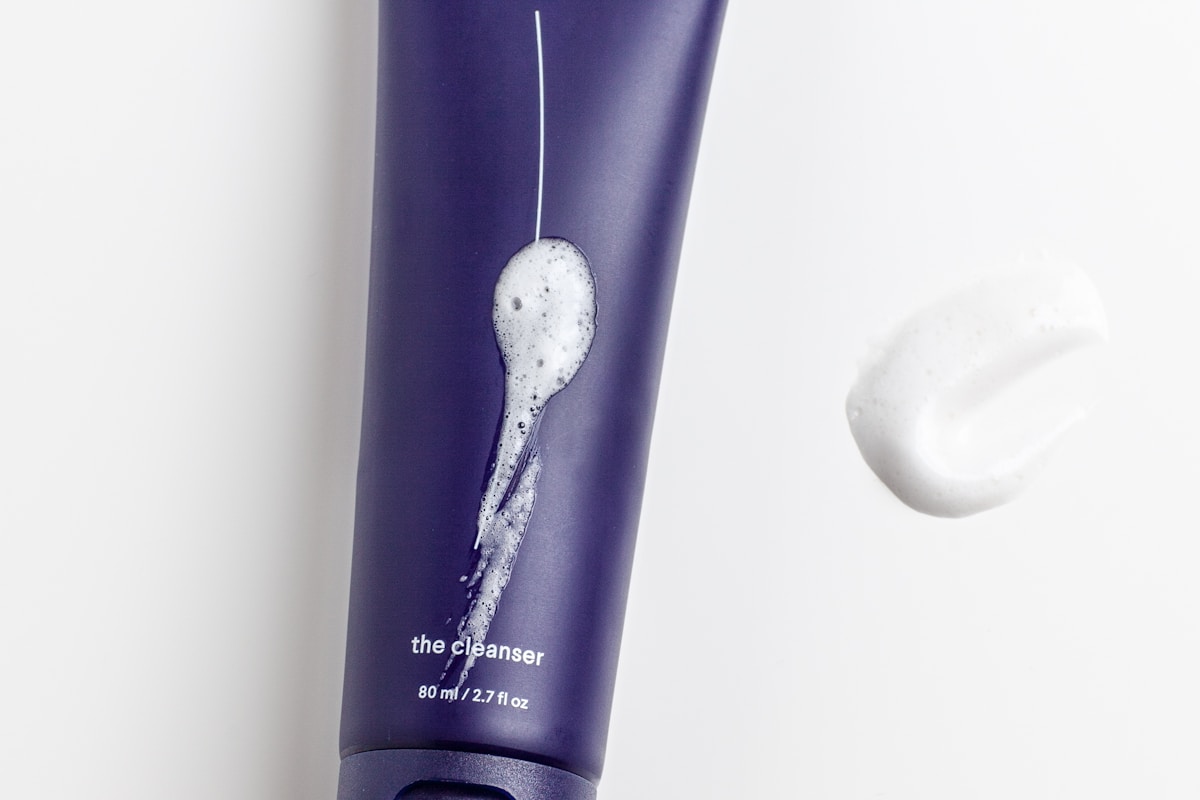
As temperatures drop, our skin faces an entirely new set of challenges. Cold winds, low humidity outdoors and dry central heating indoors combine to strip moisture from the skin barrier, leaving even the toughest complexions feeling tight, flaky and irritated. The good news is that a few small changes to your routine can make a dramatic difference.
Understand the Skin Barrier Your skin’s outer layer is built from cells held together by natural lipids — think of it like a brick wall, with the cells as bricks and the lipids as mortar. In winter, that mortar becomes brittle and gaps appear, allowing moisture to escape and irritants to get in. Restoring and protecting the barrier is the single most important goal of any winter skincare routine.
Switch to a Richer Moisturiser Lightweight summer lotions often aren’t enough once temperatures drop. Look for creams or balms containing:
- **Ceramides** — the lipids your skin naturally produces, helping to rebuild the barrier.
- **Glycerin and hyaluronic acid** — humectants that draw moisture into the skin.
- **Squalane, shea butter or petrolatum** — occlusives that lock that moisture in.
Apply moisturiser to slightly damp skin straight after washing for the best absorption, and reapply throughout the day to areas exposed to the wind.
Don’t Forget SPF UV rays don’t take a winter break. UVA, the rays responsible for premature ageing, are present year-round and penetrate cloud and glass. A daily **SPF 30 broad-spectrum sunscreen** helps prevent fine lines, pigmentation and skin cancer — and protects against the reflected light that bounces off snow, ice and wet pavements, which can be surprisingly intense.
Treat Dry, Cracked Hands Frequent hand washing, hand sanitiser and cold air combine to leave hands sore, red and sometimes painfully cracked. To break the cycle:
- Apply a thick hand cream after every wash, even at work.
- Keep a tube by every sink and in every bag.
- Wear gloves outdoors and when doing household chores.
- For severely cracked skin, apply a generous layer of emollient and wear cotton gloves overnight — you’ll wake up to noticeably softer skin.
Lip Care Matters Too Lips have no oil glands of their own and dehydrate quickly in cold weather. Use a balm containing beeswax, lanolin or petrolatum, and avoid licking your lips — saliva evaporates and leaves them drier than before. If your lips crack at the corners, this can be a sign of low iron or B12 — worth mentioning to your pharmacist.
Look After Your Whole Body Skin elsewhere on the body needs the same attention. Try:
- Switching to a **gentle, soap-free wash** instead of fragranced shower gels.
- Keeping showers **lukewarm** rather than hot — heat damages the skin barrier.
- Patting skin dry and applying a body lotion or oil within three minutes.
- Using a humidifier in bedrooms to combat dry indoor air.
Managing Eczema and Psoriasis Flares Winter is the most common time for eczema and psoriasis to flare. Stick to your prescribed emollients and apply them generously — twice the amount, twice as often as you think you need. If a flare is more stubborn, a short course of topical steroid may be needed; our pharmacists can advise on suitable over-the-counter options or refer you to your GP.
When to Seek Help If you develop persistent rashes, severe itching, weeping or open sores, speak to our pharmacy team. We can recommend appropriate treatments or refer you for further care. Sudden, widespread skin changes — particularly if accompanied by feeling unwell — should always be assessed promptly.
Healthy winter skin doesn’t have to be complicated. A few thoughtful changes, the right products and a little consistency are all it takes. Pop in to Riviera Health Pharmacy and our team will happily talk you through products suited to your skin type.