
Private Service
Altitude Sickness Travel Higher, Safely
About the Service
Prepare Before You Climb
Altitude sickness can affect anyone travelling above 2,500m — regardless of age or fitness. From treks to Everest Base Camp and Kilimanjaro to city breaks in Cusco or La Paz, taking the right preventative steps can mean the difference between an unforgettable trip and a miserable one.
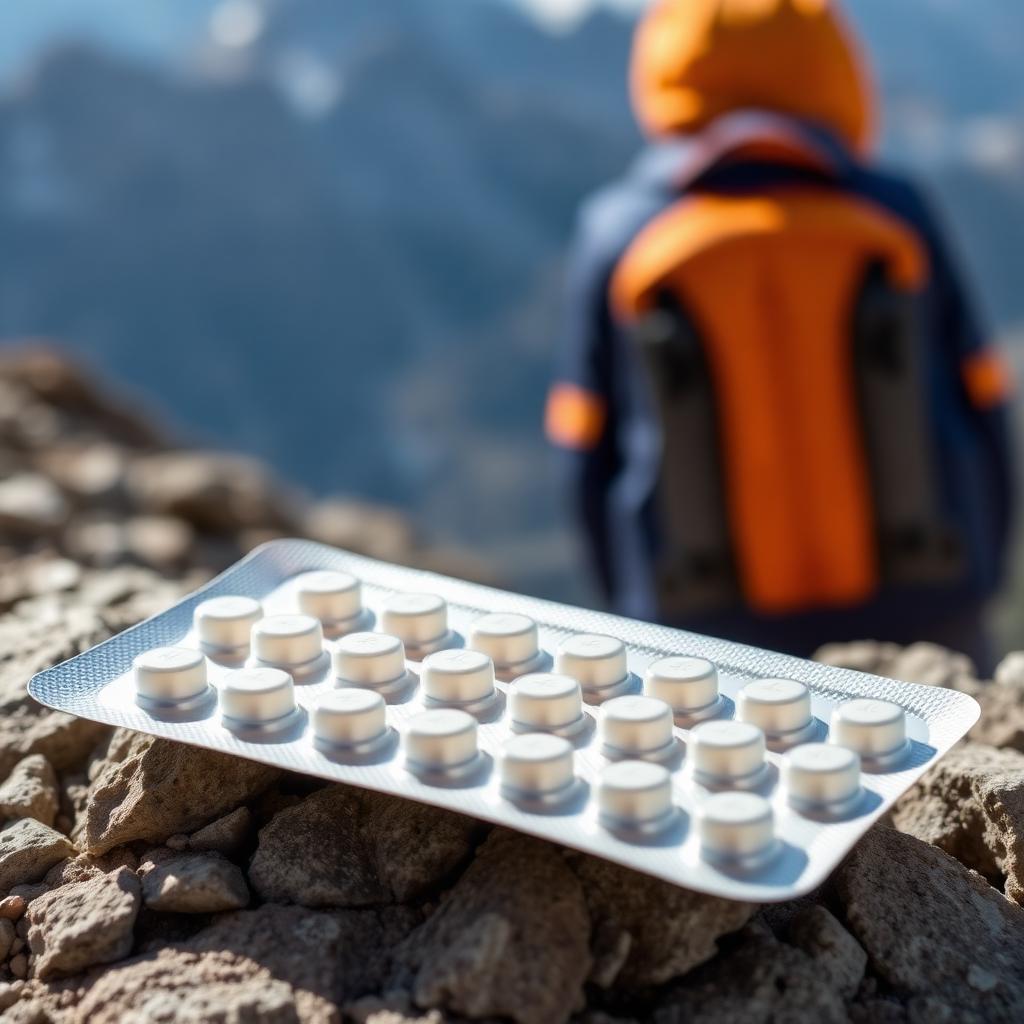
Our pharmacist independent prescriber can assess your travel plans and, if appropriate, supply Acetazolamide (Diamox) — the most widely used and well-studied medication for preventing altitude sickness — all in a single private appointment.
Know the Signs
Common Symptoms
Headache & Nausea
The most common early signs — often felt within 6–24 hours of arriving at altitude.
Shortness of Breath
Difficulty catching your breath, even at rest, as your body adjusts to lower oxygen.
Dizziness & Fatigue
Feeling light-headed, weak or unusually tired during normal activity at altitude.
Poor Sleep & Appetite
Disturbed sleep, loss of appetite and a general feeling of being unwell.
Who Should Consider It
Is It Right for You?
Travelling above 2,500m
Recommended for trips to high-altitude destinations such as Cusco, Everest Base Camp, Kilimanjaro or the Andes.
Rapid ascent planned
Especially useful if you cannot ascend gradually — for example, flying directly to high altitude.
Previous altitude sickness
If you've had altitude sickness before, you're more likely to get it again.
Aged 18 and over
Suitable for most healthy adults — we'll review your medical history at consultation.
Why Choose Us
Expert, Quick, Reliable
- Pharmacist independent prescriber — no GP appointment needed
- Private, confidential consultation in our Torquay clinic
- Clear written instructions on dosing and what to expect
- Same-day supply of Acetazolamide (Diamox) when suitable
- Full medical and medication review for your safety
- Honest advice on acclimatisation and travel planning
How It Works
Four Simple Steps
Book in Advance
Ideally 1–2 weeks before you travel, so you can start treatment 1–2 days before reaching altitude.
1
Private Consultation
Quick confidential review of your itinerary, medical history and any medications you take.
Prescription Supplied
If appropriate, we'll dispense Acetazolamide the same day with full instructions.
Travel with Confidence
Start tablets as advised, ascend sensibly, hydrate well — and enjoy your adventure.
FAQs
Frequently Asked Questions
What is altitude sickness?
How does Acetazolamide (Diamox) work?
When should I start taking it?
Are there side effects?
Who can't take Acetazolamide?
It’s not suitable for pregnant women, people with a sulphonamide allergy, severe kidney or liver disease, or certain electrolyte imbalances. We’ll go through your full medical history during your consultation.
Does it replace sensible acclimatisation?
Our Services
Need urgent advice?
Our pharmacy team is here to help. Call us or pop in today.